
Introduction
Packaging plays a critical role in protecting products, maintaining quality, and ensuring efficient transportation. In industries like cement, fertilizer, grains, animal feed, chemicals, and construction materials, woven polypropylene (PP) packaging dominates the scene. But within this category, two designs often come up for comparison: block bottom bags and Ad*Star bags.
While they may look similar at first glance, the two are built differently, perform differently, and suit different types of applications. Understanding their strengths, limitations, and ideal use cases helps manufacturers choose packaging that improves efficiency while reducing waste, damage, and storage issues.
Let’s break it all down clearly.
What Are Block Bottom Bags?
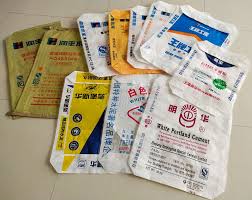
Block bottom bags are a type of woven polypropylene bag designed with a square or rectangular base. This bottom structure helps them stand upright, stack well, and maintain shape even when partially filled. They can be made from:
- PP woven fabric
- Paper layers
- BOPP lamination
- HDPE or LDPE liners (optional)
They’re popular across industries that require stable, space-efficient packaging with good printability and branding potential.
What Are Ad*Star Bags?
Ad*Star bags, developed and trademarked by Starlinger, are also block bottom bags—but they’re made using a unique, patented heat-sealing technology instead of traditional stitching. These bags are produced from tubular woven polypropylene tapes and sealed through hot air welding.
This technology creates a highly durable, leak-resistant, and nearly tear-proof bag. Ad*Star bags were originally designed for cement packaging, where strength, moisture protection, and drop resistance are non-negotiable.
Key Differences Between Block Bottom Bags and Ad*Star Bags
Below are the most important distinctions that set the two apart.
1. Manufacturing Technology
Block Bottom Bags
- Made through stitching, gluing, or folding processes.
- Construction varies depending on whether they’re paper-based or PP-woven.
- Quality depends heavily on stitching strength and seam durability.
Ad*Star Bags
- Produced using a patented Starlinger system.
- No stitching at all—bags are heat-sealed.
- Mechanically stronger and more uniform in shape.
- Less human error involved in bag production.
Verdict: Ad*Star bags win for consistency and mechanical strength.
2. Durability and Tear Resistance
Block Bottom Bags
- Strong but can tear along stitched seams.
- Stitch holes can weaken structural integrity if handled roughly.
- More prone to leaking fine materials like cement.
Ad*Star Bags
- Extremely high tensile strength due to tubular woven fabric.
- No stitch holes, meaning zero weak spots.
- Highly drop-resistant and ideal for rough supply chains.
Verdict: Ad*Star bags are significantly more durable.
3. Moisture Protection
Block Bottom Bags
- Paper variants can absorb moisture.
- Stitched seams allow fine powders to leak or absorb humidity.
- BOPP-laminated versions improve water resistance.
Ad*Star Bags
- Excellent moisture barrier thanks to sealed construction.
- No needle holes, so powders remain dry.
- Suitable for humid climates and long storage cycles.
Verdict: Ad*Star bags provide superior moisture control.
4. Weight Holding Capacity
Block Bottom Bags
- Designed for moderate to heavy loads.
- Strength varies by material and stitching quality.
Ad*Star Bags
- Consistently designed to carry 25–50 kg loads without rupture.
- Perfect for dense, heavy products like cement or chemicals.
Verdict: Ad*Star bags handle heavier loads more reliably.
5. Shape Retention and Stackability
Block Bottom Bags
- Stay upright due to their rectangular base.
- Good for palletization and retail displays.
Ad*Star Bags
- Retain shape extremely well even under pressure.
- Designed for streamlined stacking in warehouses and bulk transport.
Verdict: Both stack well, but Ad*Star bags show better dimensional stability.
6. Printability and Branding
Block Bottom Bags
- Excellent print surface, especially BOPP-laminated versions.
- Can support full-color graphics.
Ad*Star Bags
- Also offer high-quality printing options.
- Slightly more limited than BOPP film but still strong for branding.
Verdict: Block bottom BOPP bags win for vibrant, retail-ready printing.
7. Cost Comparison
Block Bottom Bags
- Generally cheaper to produce.
- Good option for companies with tight budgets.
Ad*Star Bags
- Higher production cost because of specialized technology.
- Long-term savings from reduced product loss and fewer bag failures.
Verdict: Block bottom bags are more economical upfront; Ad*Star bags save money long term.
Best Use Cases for Each Bag Type
Choosing the right packaging depends on your product, supply chain demands, storage needs, and budget.
Ideal Uses for Block Bottom Bags
Block bottom bags are perfect for:
- Rice
- Sugar
- Fertilizer
- Pet food
- Grains and pulses
- Seeds
- Retail packaging (BOPP laminated)
- Dry commodities with moderate flowability
They offer great branding potential, strong shelf presence, and good overall durability at an economical price.
Ideal Uses for Ad*Star Bags
Ad*Star bags shine in more demanding applications, including:
- Cement
- Construction materials
- Industrial chemicals
- Wall putty
- Gypsum
- Fine powders
- High-density granules
- Products requiring moisture protection
Their superior strength and leak-proof design make them the global standard in cement packaging.
Also Read: How Ad*Star Bags Maintain Product Quality During Long-Distance Shipping
Conclusion
If your priority is economical, attractive, and versatile packaging, block bottom bags are an excellent fit. They pair strong functionality with good branding potential, especially when BOPP laminated.
But if your focus is maximum durability, protection, and performance in tough supply chains, Ad*Star bags stand out clearly. They reduce product loss, withstand harsh handling, and maintain quality from factory to end-user.
The right choice depends on your product needs—but understanding the core differences will always help you invest smarter.