
Introduction
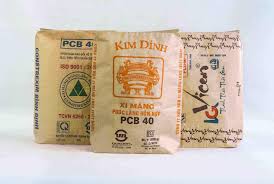
In industrial packaging — especially for cement, fertilizers, chemicals, and other powdered materials — choosing the right bag structure directly impacts durability, efficiency, and brand performance.
Two commonly compared options are Block Bottom bags and AD*STAR® bags. While they may look similar at first glance, they differ significantly in construction, sealing method, performance, and ideal applications.
If you’re deciding between the two, this guide breaks down the key differences clearly and practically.
What Are Block Bottom Bags?
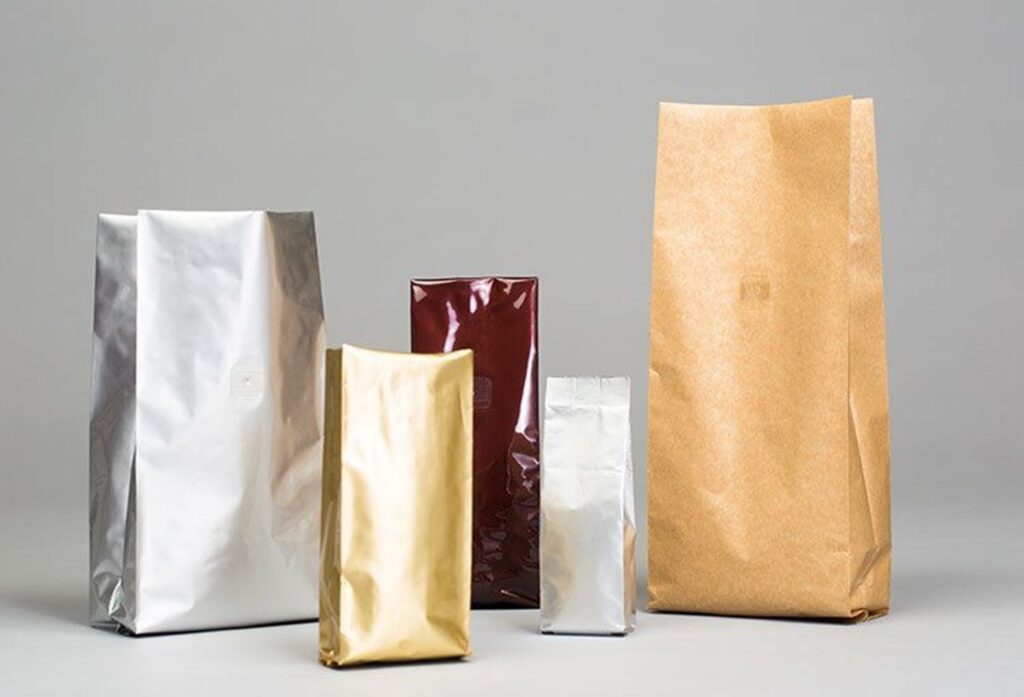
Block Bottom bags (also called square bottom bags) are designed with a flat base that allows them to stand upright and stack efficiently on pallets.
Key Features:
- Made from woven polypropylene (PP) fabric
- Box-shaped structure
- Flat bottom for stability
- Available in valve or open-mouth designs
- Can be laminated or coated
They are widely used in industries that require strong stacking performance and efficient storage.
What Are AD*STAR® Bags?
AD*STAR® bags are a specialized type of block bottom bag produced using advanced technology (often associated with Starlinger machinery). They are typically made from laminated woven polypropylene fabric and feature heat-sealed construction rather than stitched seams.
Key Features:
- Heat-sealed (no stitching holes)
- High tensile strength
- Valve-type filling system
- Enhanced moisture resistance
- Optimized for high-speed filling lines
AD*STAR® bags are especially popular in cement and construction material packaging.
Core Differences Between Block Bottom and AD*STAR® Bags
While ADSTAR® bags are technically a type of block bottom bag, not all block bottom bags qualify as ADSTAR®. The differences lie in engineering, sealing, and performance.
1. Construction Method
Block Bottom Bags:
- Can be stitched or glued
- May have small needle holes if stitched
- Simpler manufacturing process
AD*STAR® Bags:
- Heat-sealed construction
- No needle perforations
- Fully sealed edges for enhanced strength
The absence of stitching in AD*STAR® bags reduces the risk of leakage.
2. Leakage Protection
Leakage control is critical in powdered products like cement or fine chemicals.
- Traditional stitched block bottom bags may allow minor powder leakage through seam holes.
- AD*STAR® bags use ultrasonic or heat-sealed technology, minimizing spillage.
For fine, dusty materials, AD*STAR® typically offers superior containment.
3. Moisture Resistance
Moisture exposure can damage cement and other hygroscopic materials.
- Standard block bottom bags may require additional lamination for moisture protection.
- AD*STAR® bags are commonly laminated and sealed, offering improved barrier performance.
This makes AD*STAR® bags more suitable for humid climates or export shipping.
4. Filling Efficiency
High-speed filling operations demand precise bag performance.
- Block bottom bags can be used in automated systems but may vary depending on design.
- AD*STAR® valve bags are engineered specifically for high-speed filling lines.
They inflate evenly during filling and maintain their shape, reducing downtime and product loss.
5. Strength and Load Capacity
Both bag types are strong, but AD*STAR® bags are often engineered for higher burst strength and stacking stability.
Their uniform structure:
- Improves pallet stacking
- Reduces collapse risk
- Maintains shape during transport
For heavy industrial loads (like 50 kg cement bags), AD*STAR® is frequently preferred.
6. Cost Considerations
- Standard block bottom bags may have lower upfront manufacturing costs.
- AD*STAR® bags involve specialized equipment and production processes, which may increase price.
However, AD*STAR® bags can reduce long-term costs by minimizing product loss, breakage, and handling issues.
When to Choose Block Bottom Bags
Block bottom bags are a good option if:
- Your product is less prone to fine leakage
- Moisture resistance is not a primary concern
- Budget constraints are a major factor
- Filling speeds are moderate
They remain a reliable and widely used industrial packaging solution.
When to Choose AD*STAR® Bags
AD*STAR® bags are ideal if:
- You package cement or ultra-fine powders
- Leakage prevention is critical
- You operate high-speed filling lines
- You require enhanced moisture protection
- Export durability and stacking strength are essential
For large-scale cement manufacturers, AD*STAR® bags are often the industry standard.
Sustainability Considerations
Both bag types are typically made from polypropylene, which is recyclable.
AD*STAR® bags are sometimes lighter while maintaining strength, which can reduce raw material usage. Additionally, improved durability means fewer damaged bags and less product waste.
As sustainability becomes increasingly important in industrial packaging, material efficiency plays a larger role in purchasing decisions.
Also Read: Choosing the Right Ad*Star Bag for Heavy-Duty Applications
Final Thoughts
Block Bottom bags and AD*STAR® bags may appear similar, but their construction and performance characteristics set them apart.
If your priority is basic stability and cost efficiency, traditional block bottom bags may meet your needs. However, for industries like cement and chemicals — where leakage control, strength, and filling performance are critical — AD*STAR® bags offer a more advanced solution.
The right choice ultimately depends on your product type, filling process, transportation conditions, and long-term operational goals.