
Introduction
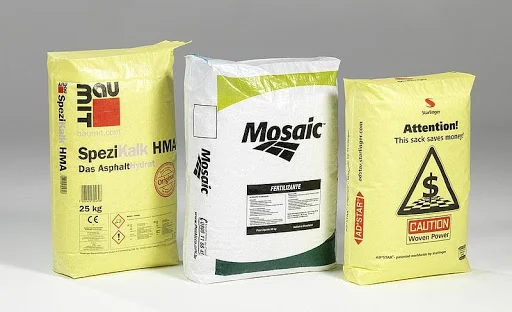
In industries where products are sensitive to humidity, moisture control is not just a quality concern—it’s a business necessity. Materials like cement, chemicals, fertilizers, and powdered construction products can lose strength, clump, or become unusable when exposed to moisture. This is where Ad*Star bags stand out. Designed for high-performance industrial packaging, Ad*Star bags offer advanced moisture protection that helps preserve product integrity from filling to final delivery.
Understanding how moisture protection works in Ad*Star bags can help manufacturers choose the right packaging solution and avoid costly losses.
Why Moisture Protection Matters in Industrial Packaging
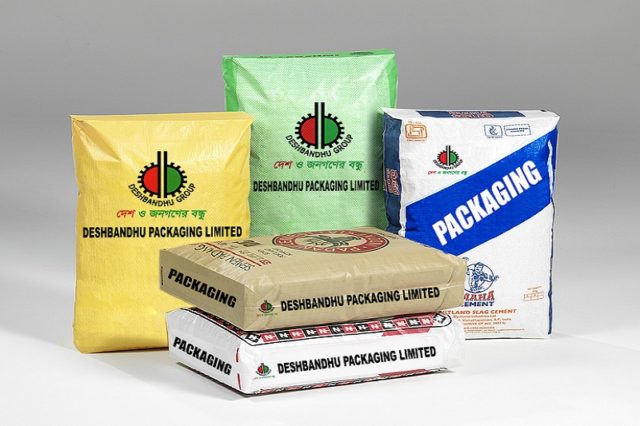
Moisture exposure can have serious consequences across supply chains. For cement and construction materials, even small amounts of humidity can trigger premature hydration, reducing strength and shelf life. In fertilizers and chemicals, moisture can lead to caking, uneven application, and contamination. Once moisture damage occurs, the product often cannot be restored.
Because many of these goods are transported over long distances and stored in varying climatic conditions, packaging must act as a strong barrier against environmental humidity. Ad*Star bags are engineered specifically to meet this challenge.
What Makes Ad*Star Bags Different?
Ad*Star bags are engineered with moisture protection in mind right from the manufacturing stage. Made from woven polypropylene fabric using advanced Starlinger technology, these bags differ significantly from conventional stitched or glued sacks. Their construction is cleaner, tighter, and far more precise, which plays a crucial role in limiting moisture exposure.
What truly sets Ad*Star bags apart is that their moisture resistance is not dependent on just one barrier or coating. Instead, it comes from a combination of smart design choices working together. The ultrasonic sealing process replaces traditional stitching, eliminating needle holes that often become entry points for moisture. This creates a more uniform and compact structure that resists external humidity and water vapor far better than stitched alternatives.
The woven polypropylene fabric itself is another important factor. The tightly controlled weave density reduces air and moisture permeability while still maintaining strength and flexibility. In many applications, this fabric can also be laminated or coated to add an extra layer of protection, further minimizing the risk of moisture penetration during storage or transportation.
Additionally, the valve design in Ad*Star bags plays a subtle but important role. The self-closing valve limits exposure once filling is complete, reducing the chance of moisture entering the bag from the opening. When combined with precise automated filling, this design ensures consistent sealing and reduces handling-related damage that could compromise moisture resistance.
Together, these features create a system where moisture ingress is reduced at every stage—from filling and sealing to stacking, shipping, and long-term storage. This multi-layered approach is why Ad*Star bags are widely trusted in industries handling moisture-sensitive products such as cement, chemicals, fertilizers, and food-grade materials.
Laminated Polypropylene Fabric as the First Barrier
The foundation of moisture protection in Ad*Star bags lies in their laminated woven polypropylene structure. The woven fabric provides strength, while the lamination layer acts as a protective film that significantly reduces permeability.
This lamination prevents moisture from passing through the tiny gaps that naturally exist in woven materials. As a result, the bag creates a strong barrier against humidity, condensation, and light splashes during handling or storage.
Valve Design That Seals Automatically
One of the most effective moisture-protection features of Ad*Star bags is their valve system. These bags are filled through a specially designed valve that automatically closes once filling is complete.
As the product settles inside the bag, internal pressure causes the valve to self-seal without the need for stitching or glue. This tight closure minimizes air exchange, which directly reduces moisture entry. Unlike open-mouth bags, there is no exposed seam where humidity can easily penetrate.
Ultrasonic Sealing for Leak Prevention
Traditional bags often rely on stitching, which creates needle holes that can allow moisture and fine particles to escape or enter. Ad*Star bags eliminate this risk through ultrasonic sealing.
Ultrasonic welding bonds the fabric layers together without puncturing them. This creates smooth, sealed edges that are both stronger and more resistant to moisture penetration. The absence of stitching holes is a key reason Ad*Star bags perform better in humid or rainy environments.
Optional Inner Coatings and Liners
For products that require an even higher level of protection, Ad*Star bags can be customized with additional coatings or inner liners. These enhancements provide an extra moisture barrier, making the bags suitable for extremely sensitive materials or long-term storage.
In high-humidity regions or coastal areas, these optional features help ensure that product quality remains consistent from manufacturing to end use.
Reduced Air Entrapment During Filling
Moisture often enters packaging through trapped air that carries humidity inside. Ad*Star bags are designed for high-speed, controlled filling that minimizes air entrapment.
As the product fills the bag, excess air is efficiently expelled through the valve, allowing the bag to compact naturally. With less air inside, there is less moisture available to interact with the product. This compact filling also improves stackability and stability during storage.
Strong Shape Retention and Stackability
Moisture damage is not always direct. Poorly stacked bags can collapse, tear, or expose seams to environmental conditions. Ad*Star bags maintain a brick-like shape once filled, which allows for stable stacking.
Better stackability reduces shifting, friction, and surface exposure, all of which contribute indirectly to moisture resistance. Pallets remain uniform, reducing the risk of damage during transport and warehousing.
Protection Across the Supply Chain
Moisture protection in Ad*Star bags extends beyond storage. During transportation, products may be exposed to rain, temperature changes, and varying humidity levels. The sealed structure of these bags helps maintain consistent internal conditions despite external fluctuations.
For exporters and large-scale manufacturers, this reliability reduces claims, returns, and quality complaints, making Ad*Star bags a trusted solution for global supply chains.
Industries That Benefit Most from Moisture Protection
Ad*Star bags are widely used in industries where moisture control is critical. Cement and construction materials rely on them to prevent premature setting. Fertilizer manufacturers use them to avoid caking and nutrient degradation. Chemical and mineral producers benefit from reduced contamination and dust loss.
In each case, moisture protection directly impacts product performance, customer satisfaction, and brand reputation.
Also Read: Ad*Star Bags for Long-Distance Exports: What You Need to Know
Conclusion
Moisture protection in Ad*Star bags is not the result of a single feature, but a combination of smart engineering, advanced materials, and precision manufacturing. From laminated fabrics and ultrasonic sealing to self-closing valves and compact filling, every element is designed to keep moisture out and quality intact.
For manufacturers dealing with moisture-sensitive products, Ad*Star bags offer a reliable, efficient, and high-performance packaging solution. By safeguarding products throughout storage and transportation, they help reduce waste, protect value, and ensure consistency—making them an essential choice in modern industrial packaging.